Pairing chocolate well is not about finding one “correct” combination. It is about creating enough contrast or harmony that you notice more in every bite.
Start with cocoa intensity. Milk chocolate is rounder and sweeter, so it often works well with toasted nuts, coffee, caramel, berries and gently spiced flavors. Dark chocolate brings more bitterness and roasted depth, which can support brighter fruit, tea, citrus, sea salt and even savory ingredients. White chocolate behaves differently again: because its flavor is built around cocoa butter, sugar and dairy, it is especially responsive to tart fruit, floral aromas, herbs and crunchy textures.
Texture changes flavor
A silky chocolate ganache tastes richer when there is something crisp beside it. A brownie feels more complex with a cool cream, tart berry or toasted nut. A thin chocolate shell can make a soft filling feel more precise because the bite begins with a snap and then changes texture. This is why plated desserts, fondue boards and afternoon tea work so well for chocolate-focused cafés: several small components can create a progression without requiring an enormous portion.
Texture also affects how long flavor stays on the palate. Dense, fatty elements linger. Fresh fruit and tea reset the mouth more quickly. If every component is rich, the experience can flatten because there is no contrast left. A strong pairing usually includes at least one element that refreshes the palate.
Use temperature deliberately
Warm chocolate smells more aromatic because volatile compounds release more easily. That is part of the appeal of European-style hot chocolate, warm brownies and melted fondue. Cold elements, on the other hand, can sharpen contrast and slow perceived sweetness. A warm cake with a cool cream creates a sensory difference before you even consider flavor.
Temperature can also help portion control. A small serving of something warm and deeply chocolatey may feel more satisfying than a much larger room-temperature dessert because the aroma and texture are more expressive.
Tea, coffee and fruit
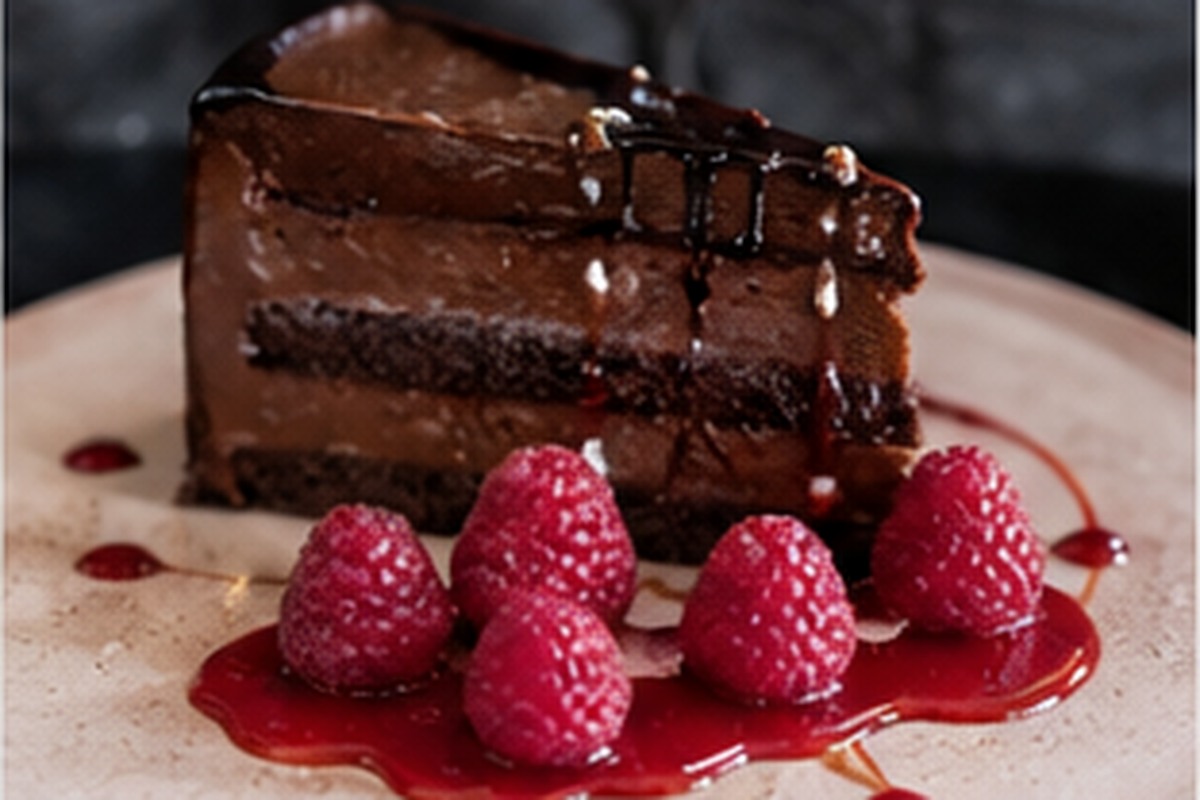
Tea is one of the most flexible chocolate partners. Black teas can echo roasted cocoa notes; floral teas can draw out fruitier characteristics; brighter teas help cut through dairy and sugar. Coffee tends to amplify roast, caramel and nut notes, which makes it especially natural with brownies, ganache and milk chocolate. Fruit works through acidity. Raspberry, strawberry, cherry and citrus can make a chocolate dessert feel lighter by interrupting sweetness and fat.
The goal is not to make every component equally strong. If the chocolate is the centerpiece, supporting flavors should clarify it rather than compete with it. A spoon of berry sauce may do more than a pile of mixed toppings.
Do not ignore savory contrast
Chocolate cafés often benefit from having savory food on the menu because the contrast makes dessert more appealing. A guest who begins with a balanced lunch or a small savory bite is more likely to enjoy a rich dessert afterward than someone who encounters only sweetness from start to finish. Salt, toasted bread, cheese, herbs and roasted flavors can reset expectations and make cocoa taste deeper when it returns.
This broader approach was part of what made the Taste117 Mesa concept interesting. Public coverage described not only chocolate desserts but also café dishes, afternoon tea, fondue and educational experiences. Together, those formats treated chocolate as a theme that could shape a whole visit rather than a single product category.
A simple pairing framework
When building your own chocolate pairing, choose one chocolate element, one contrast and one bridge. The chocolate element might be a brownie or ganache. The contrast could be berry, citrus, tea, sea salt or a cold cream. The bridge is an ingredient that connects both sides, such as almond, vanilla, coffee or caramel. Keep the number of components limited enough that you can still identify what each one contributes.
Most importantly, taste slowly. Chocolate becomes more interesting as it warms and melts, so the first impression is not the whole experience. A good pairing gives you a reason to take a second bite and notice something new.